Art Exchange with Evelyn Bracklow
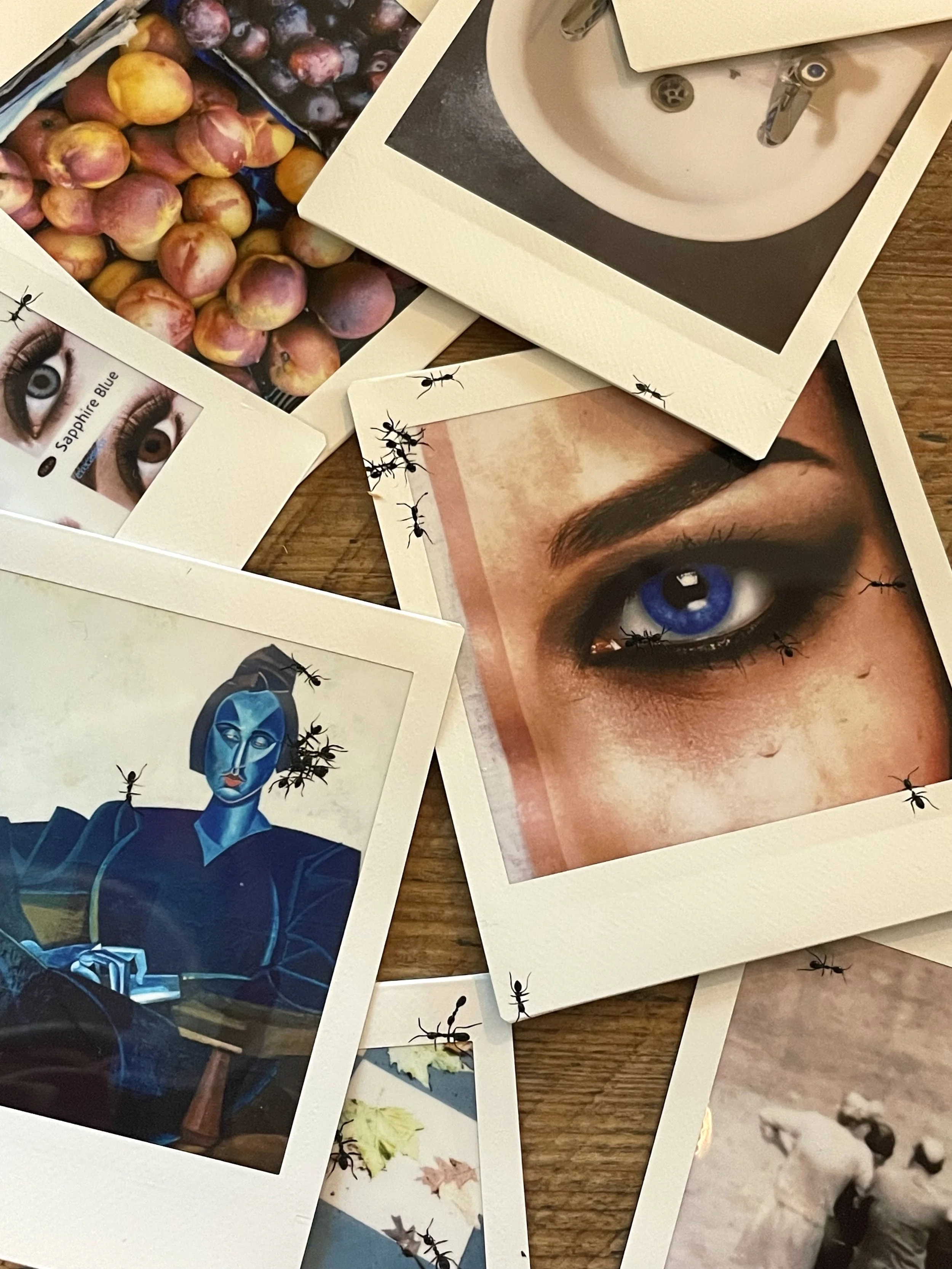
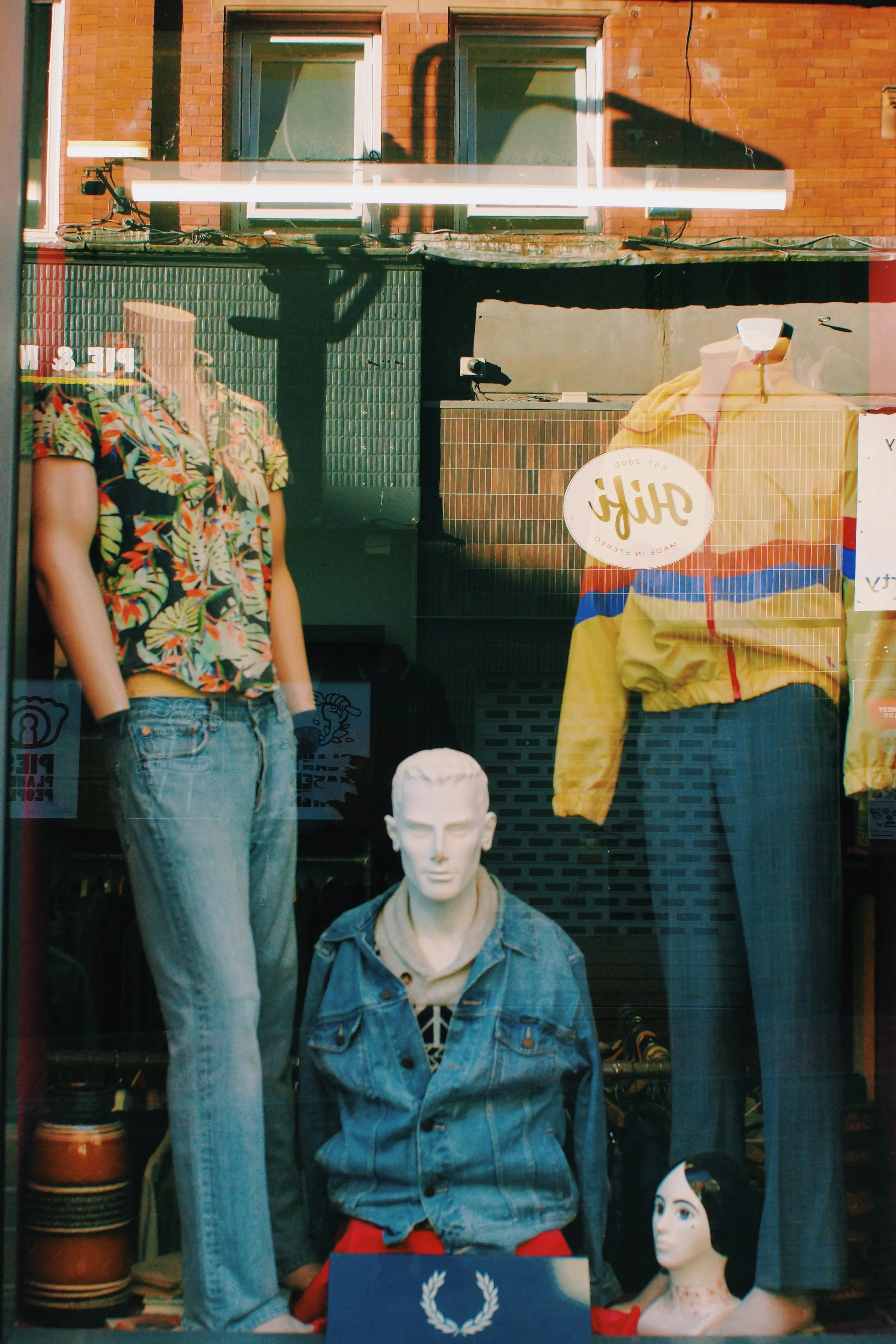
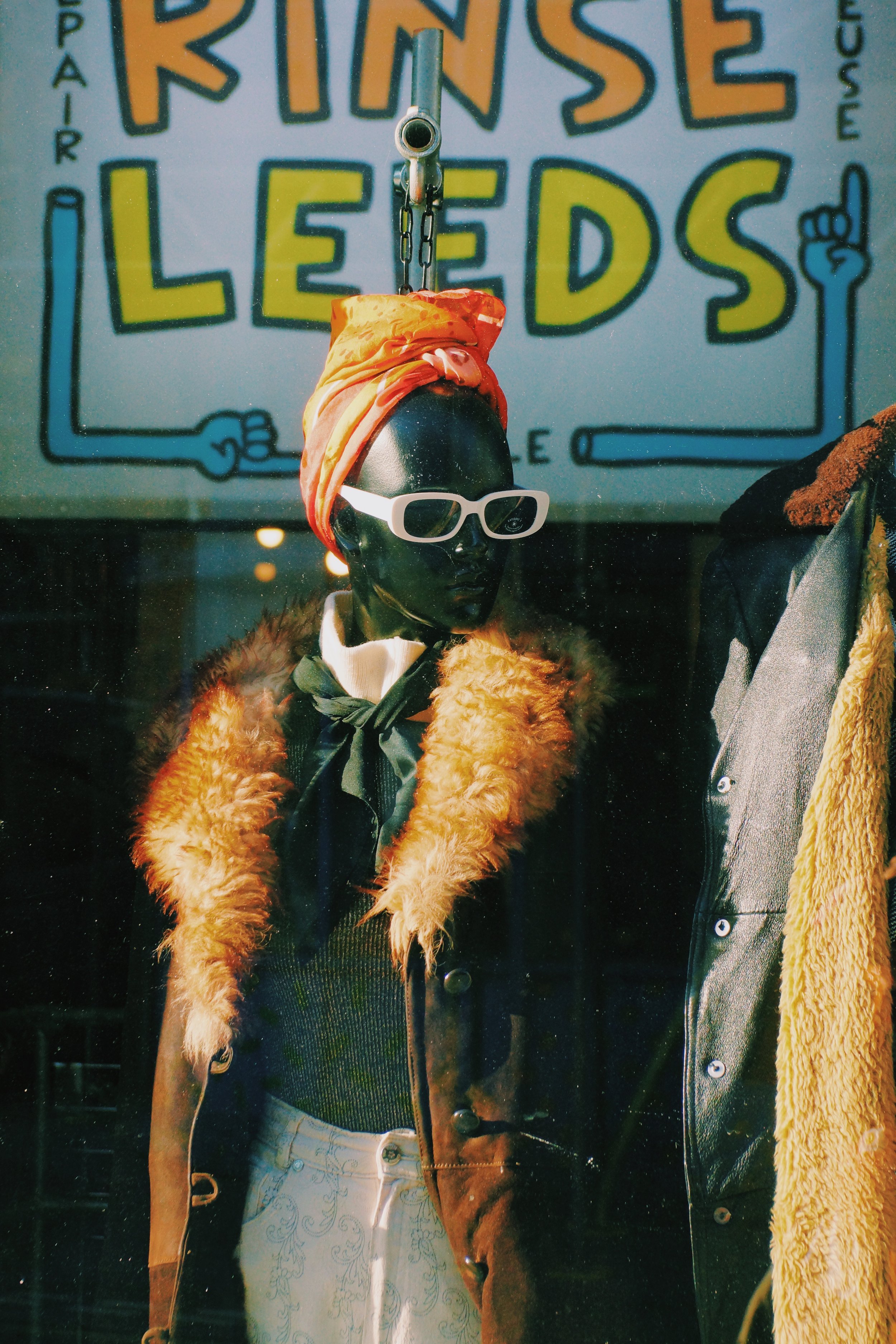
A 10-day creative exchange in Leeds with German artist Evelyn Bracklow, exploring ideas of connection, coexistence and storytelling through analogue and digital processes. Working with Polaroid photography and hand-painted elements, the collaboration brought together photography, painting and found imagery to create an interplay between image and medium, documentation and fiction.
Concept & Context: Evelyn Bracklow
As an artist, I am concerned with how connectedness can be created. How can connections be created, to oneself, to people and to places? How can different time periods be connected visually?
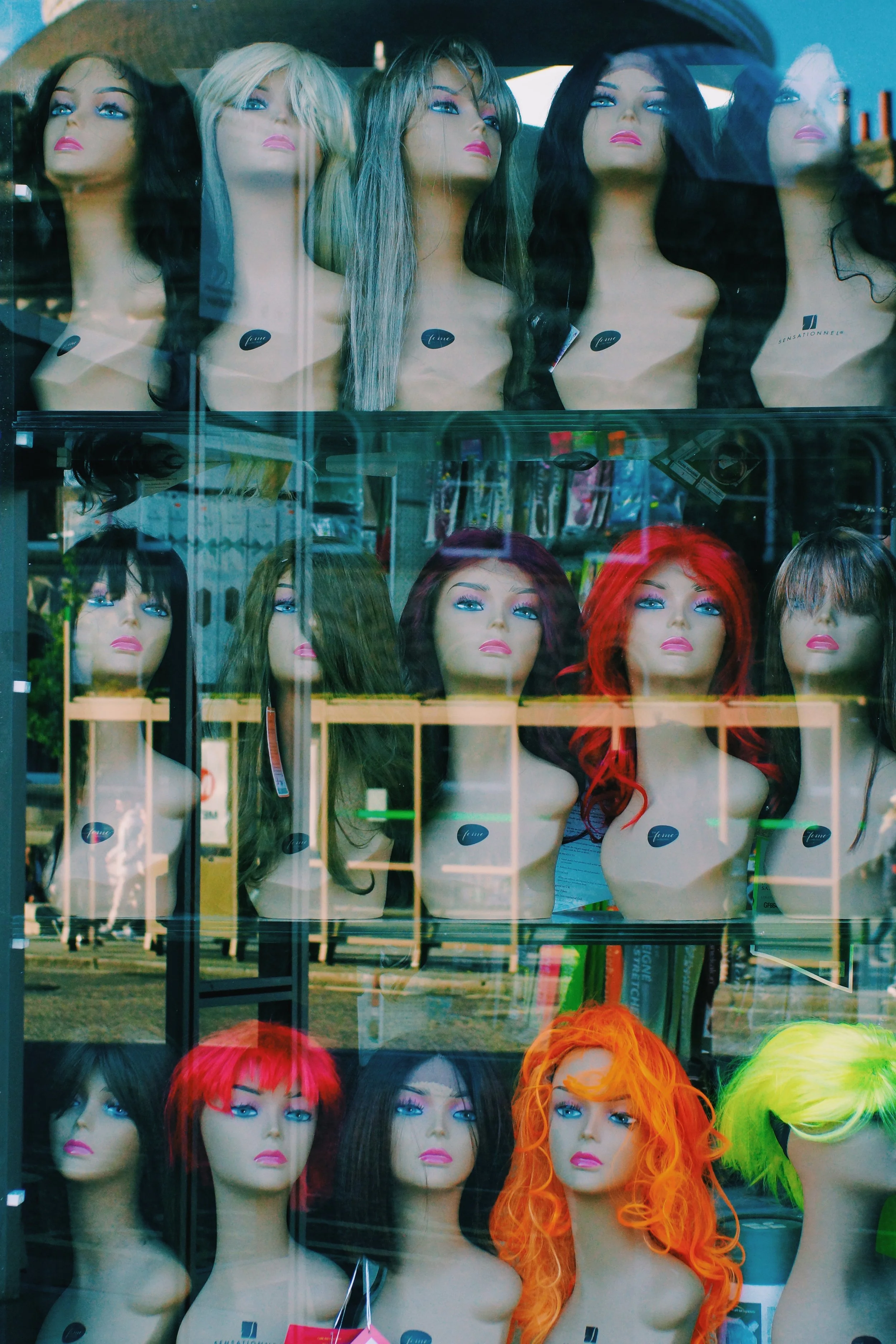
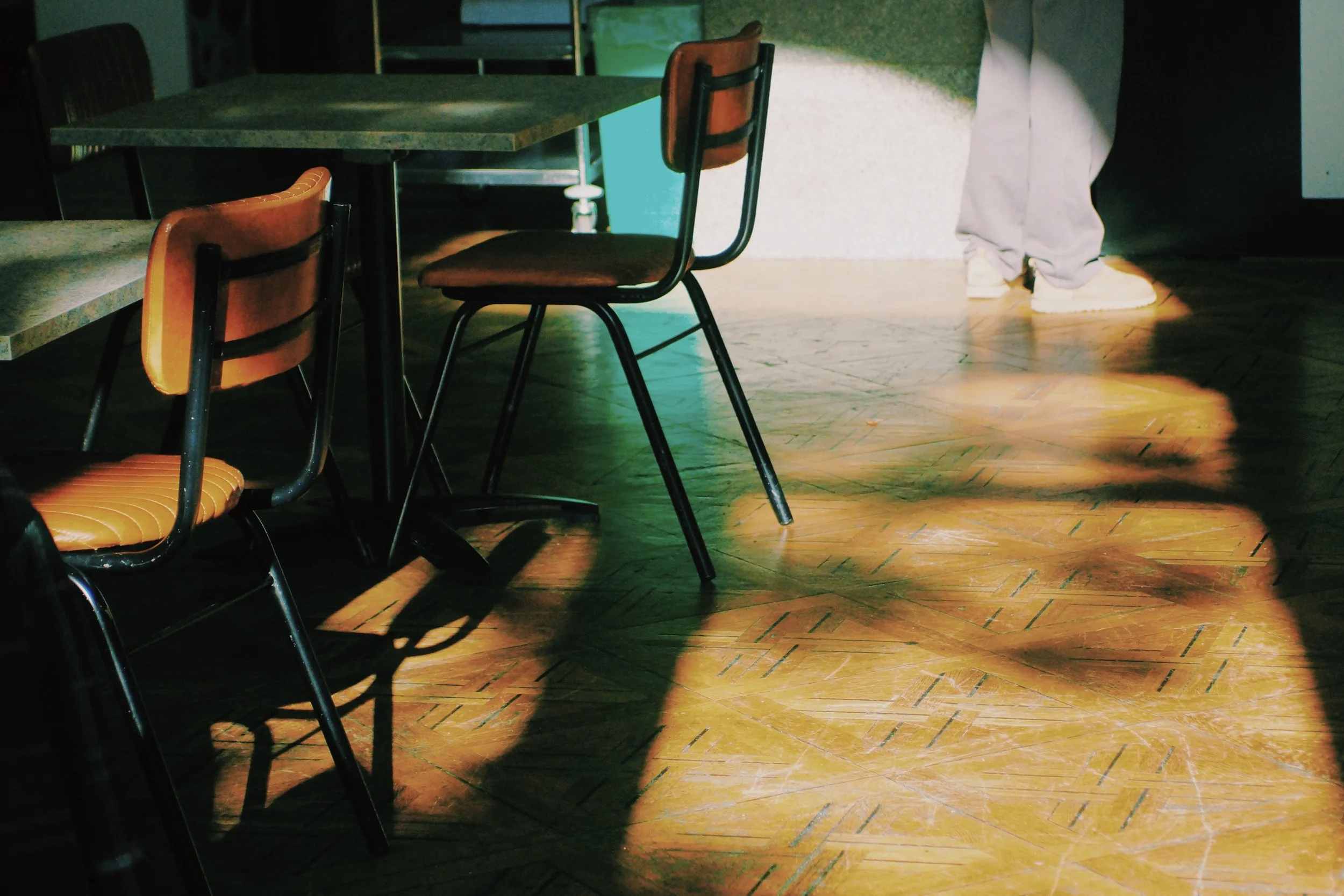
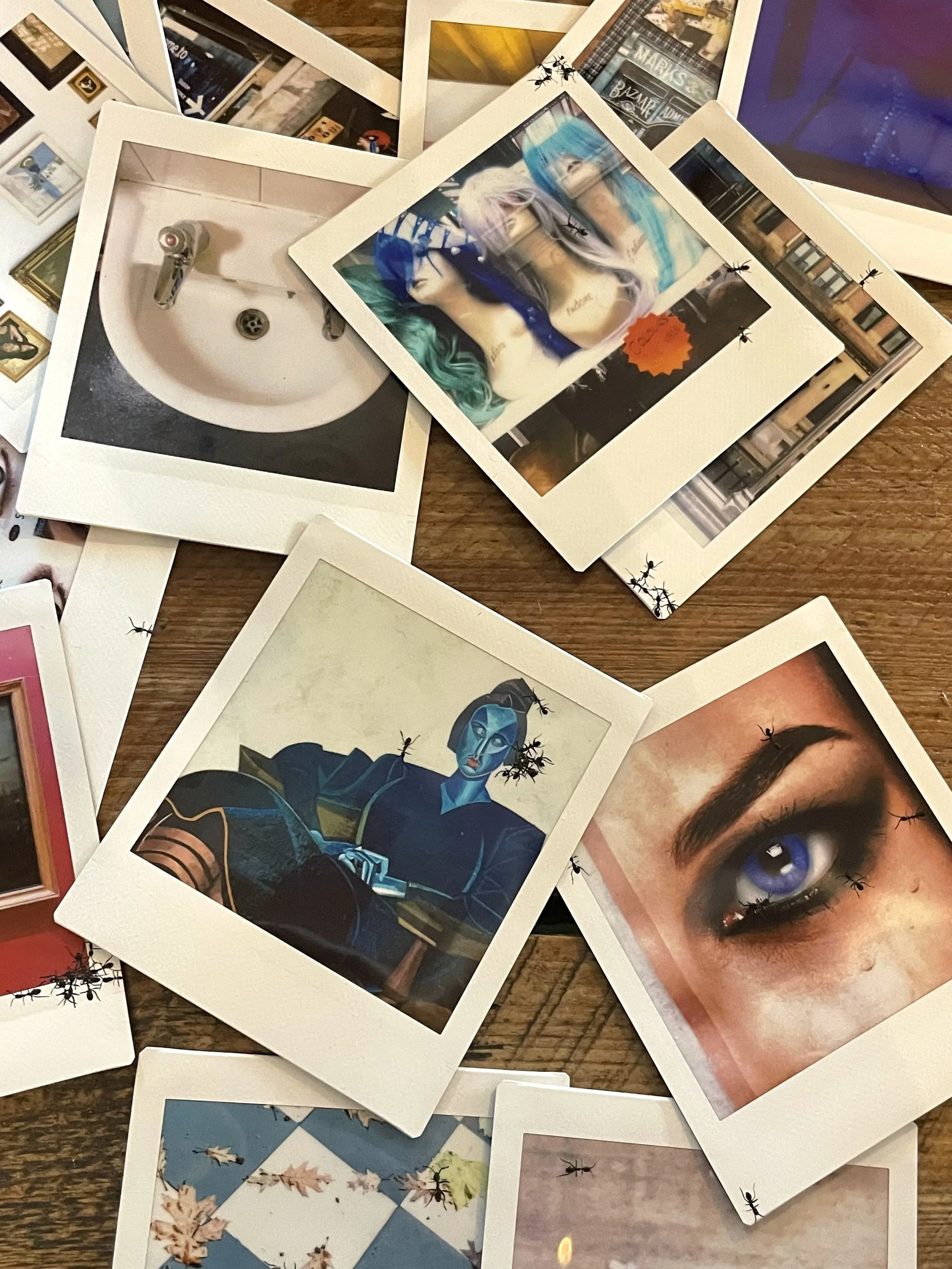
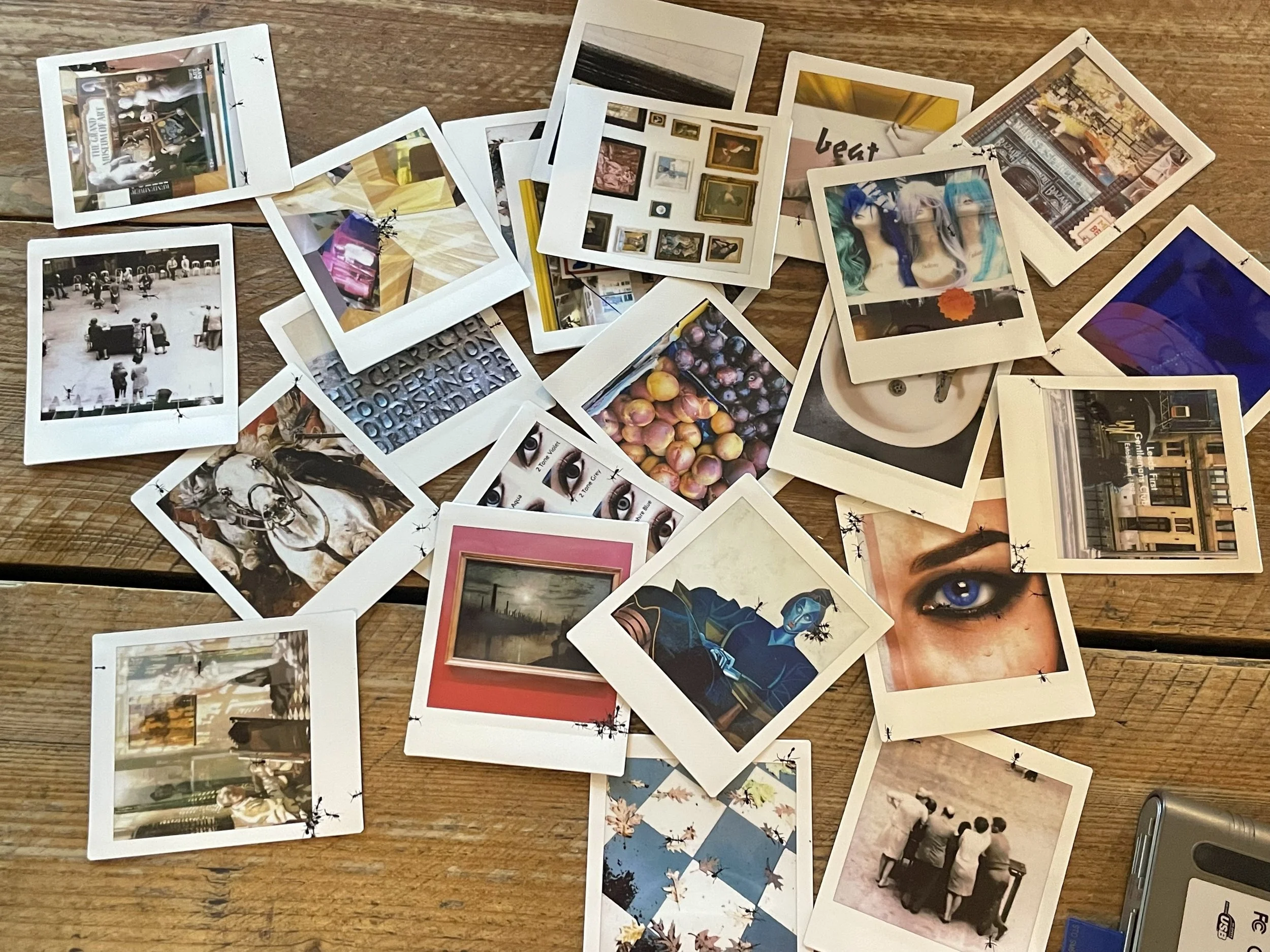
I would like to take the experiences I have had together with the Cologne photographer Niklas Weber as an opportunity to look for further images that enter into an interplay with my ants. For this purpose, printed photographs are painted and thus receive another level of meaning.
“An interplay is created between digital and analogue, documentation and fiction, image and medium.”
Ants are transnational in the truest sense of the word. They exist in almost every place in the world and long before we humans existed. By having them cross borders in a real sense, this proximity is emphasised. The photographs are meant to trace national specificities, but we are also looking for images that are universal and have a universal appeal.
The ants wandering through the photographs show that all living beings and places, with all their subtleties that distinguish them, are nevertheless part of a greater whole. Across all times, eras and countries.
Collaborating with artists outside my immediate environment would correspond to my desire to create connections across borders.
Process & Reflection
The collaboration began with a shared curiosity around the relationship between humans, animals and the natural world. Inspired by John Berger’s writing in Why Look at Animals (2009), we explored ideas of companionship, coexistence and our place within a wider ecological system.
“Animals come from over the horizon. They belonged here and there.”
— John Berger, Why Look at Animals (2009)
Through written dialogue, research and image-making, Evelyn and I explored questions surrounding how we coexist with other species and non-human organisms within a human-dominated world. We considered how we might live as part of a greater whole, where our freedoms begin and end, and how different histories, places and time periods can be connected through visual storytelling.
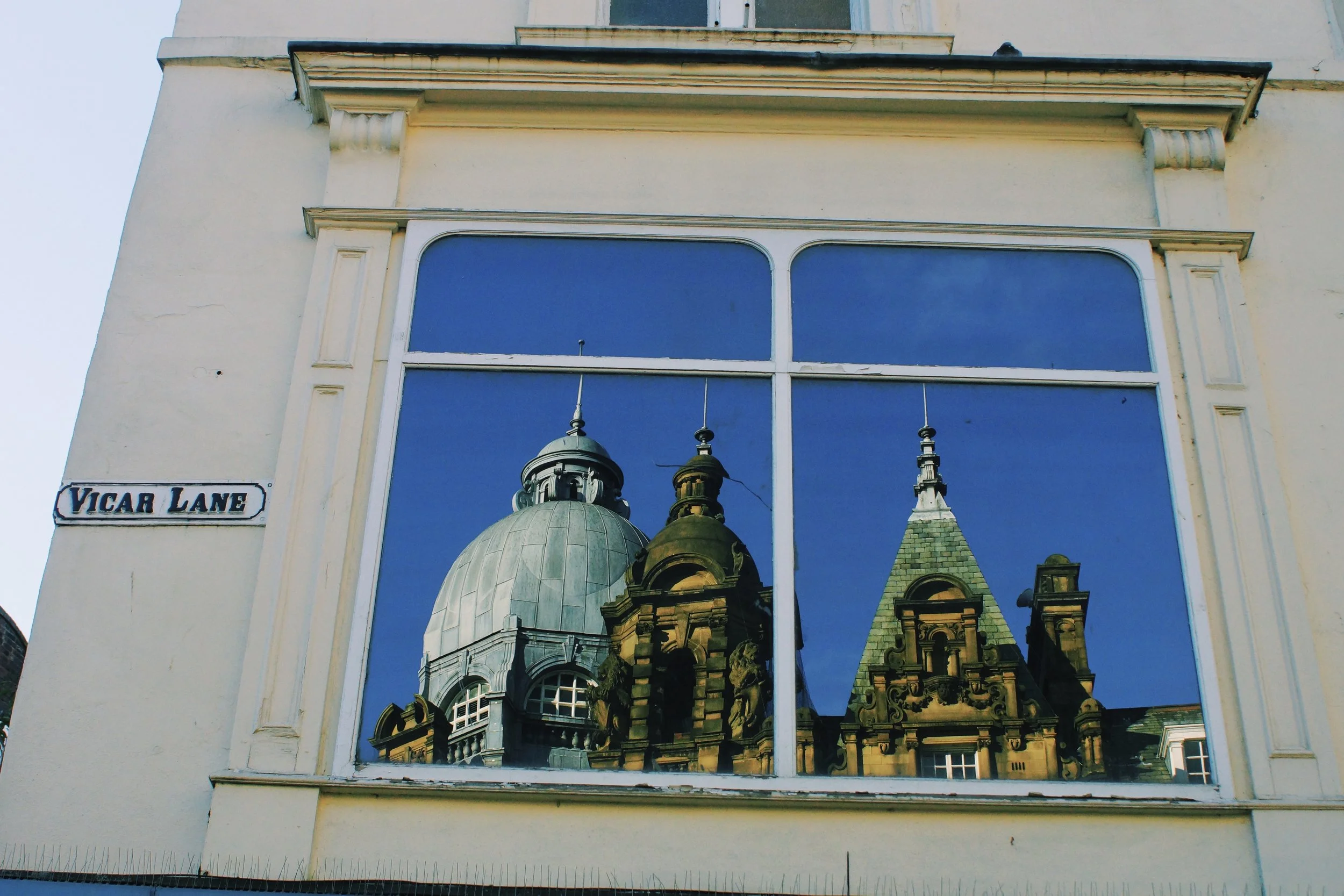
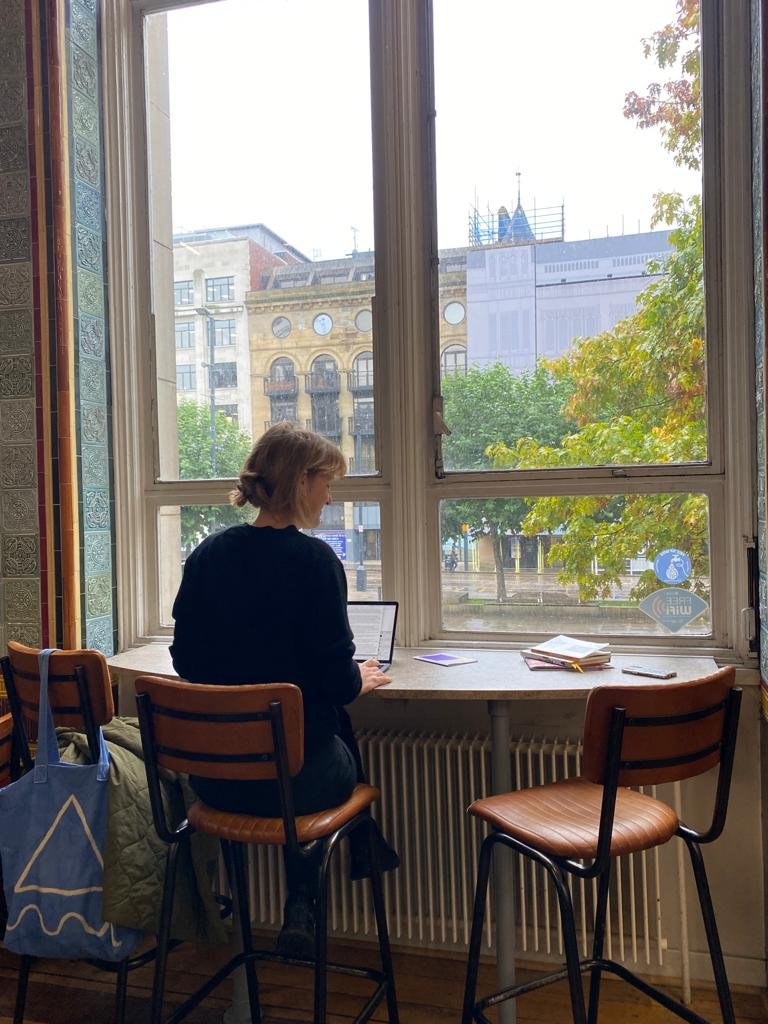
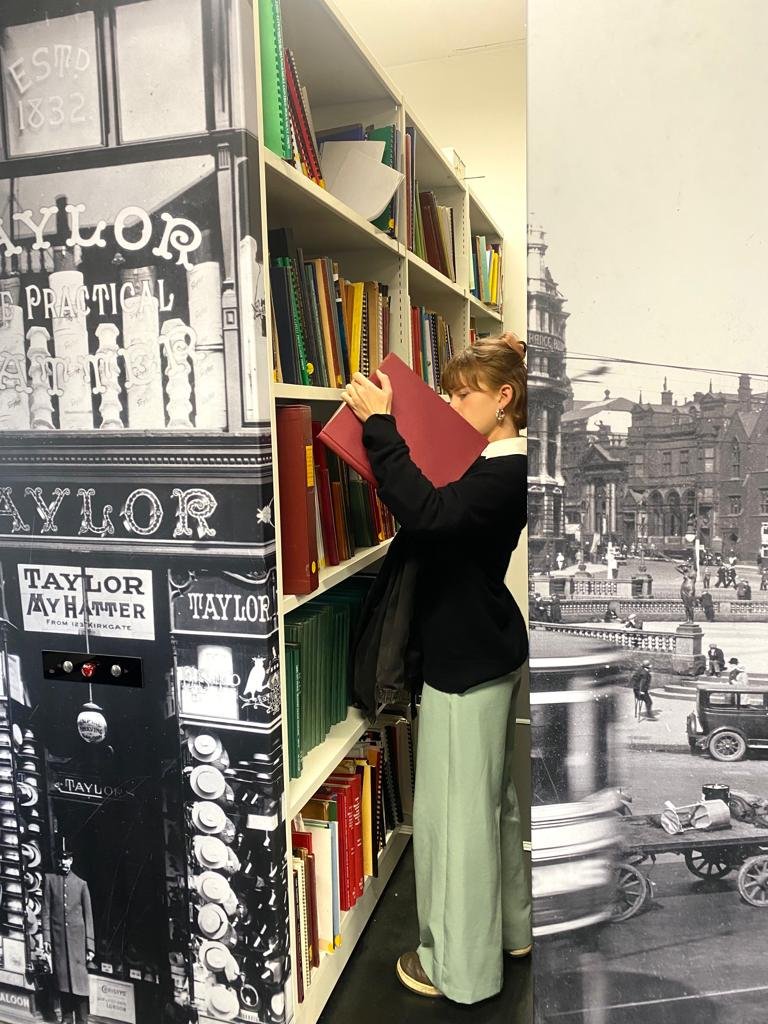
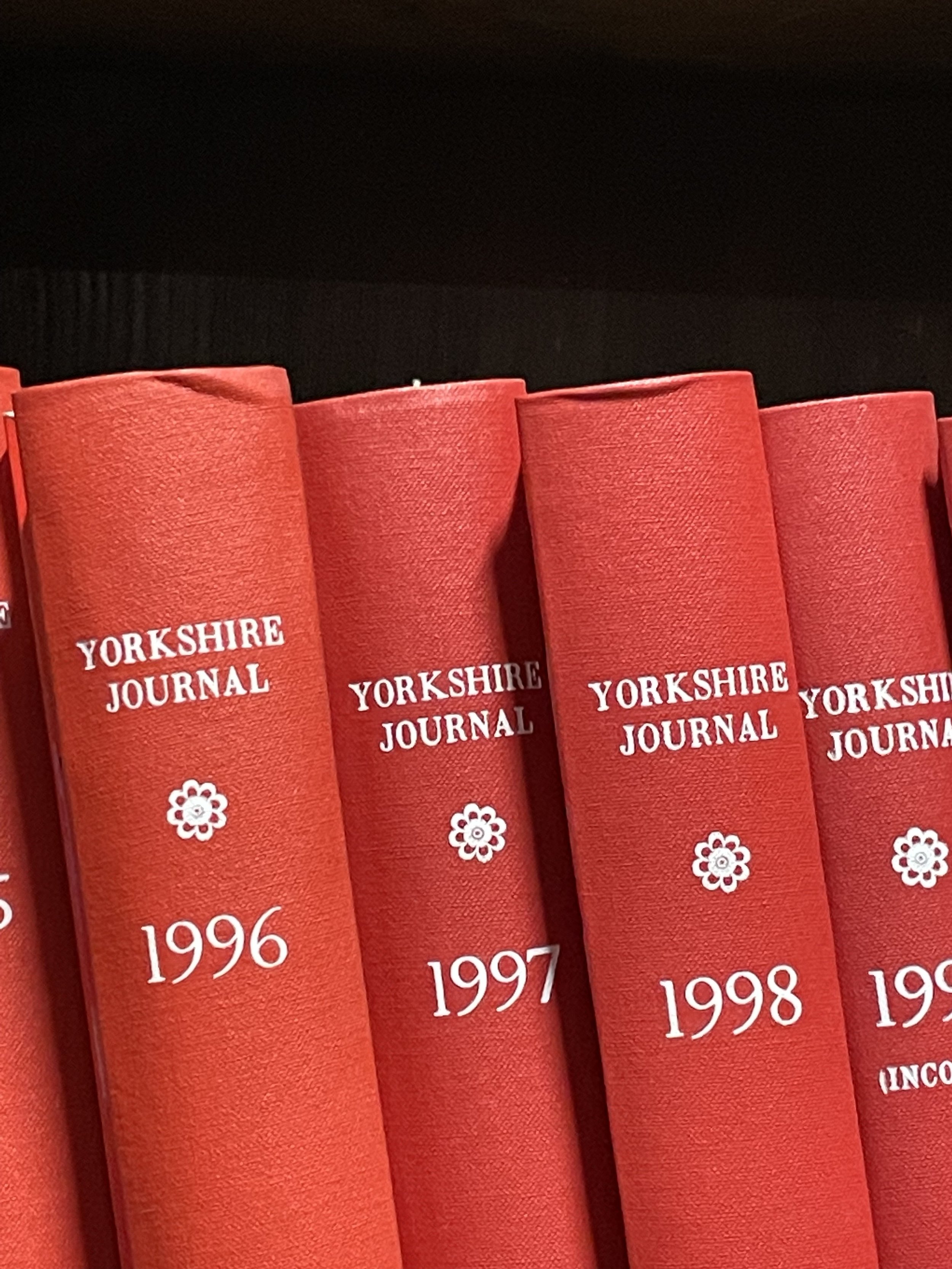
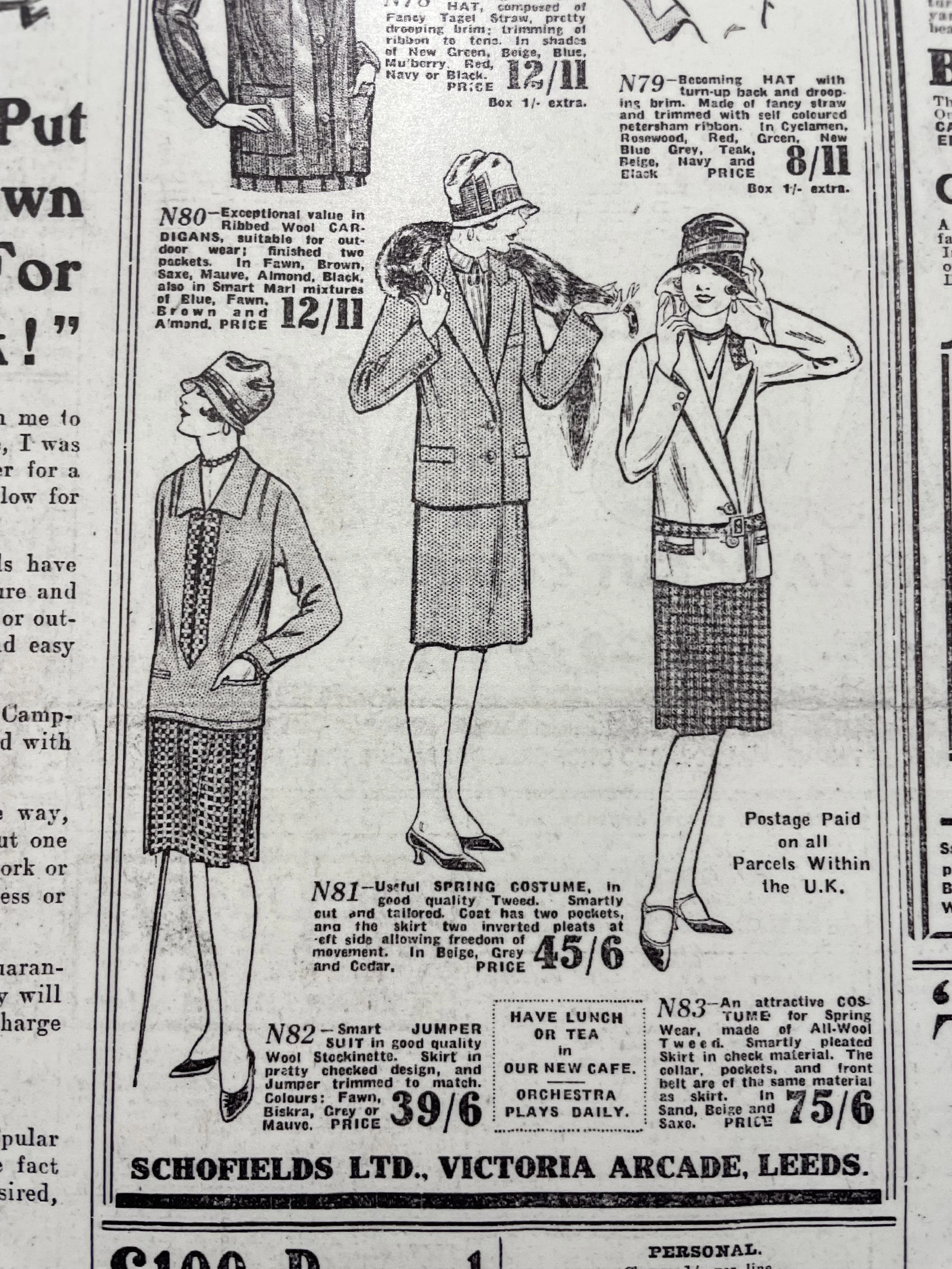
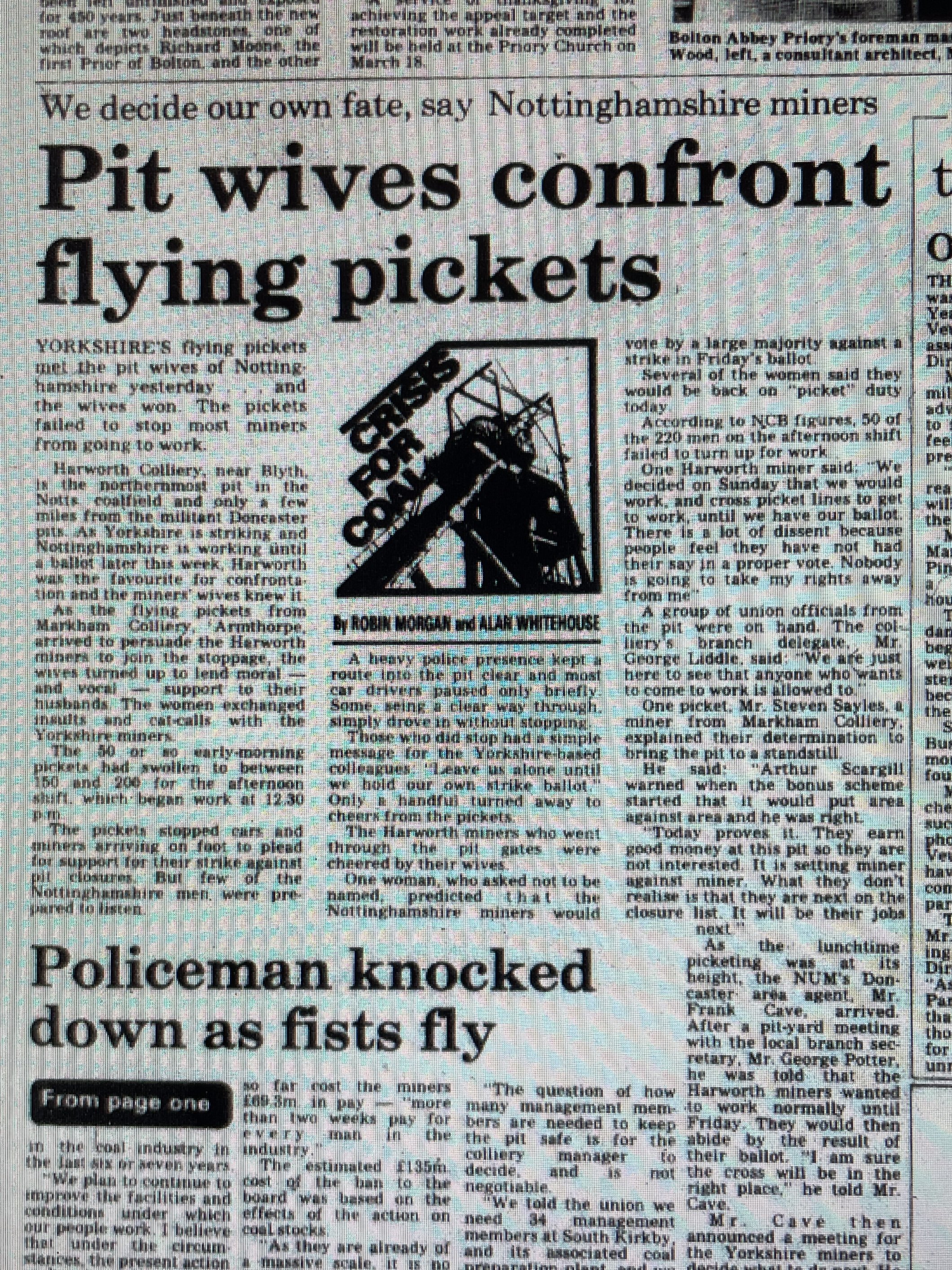
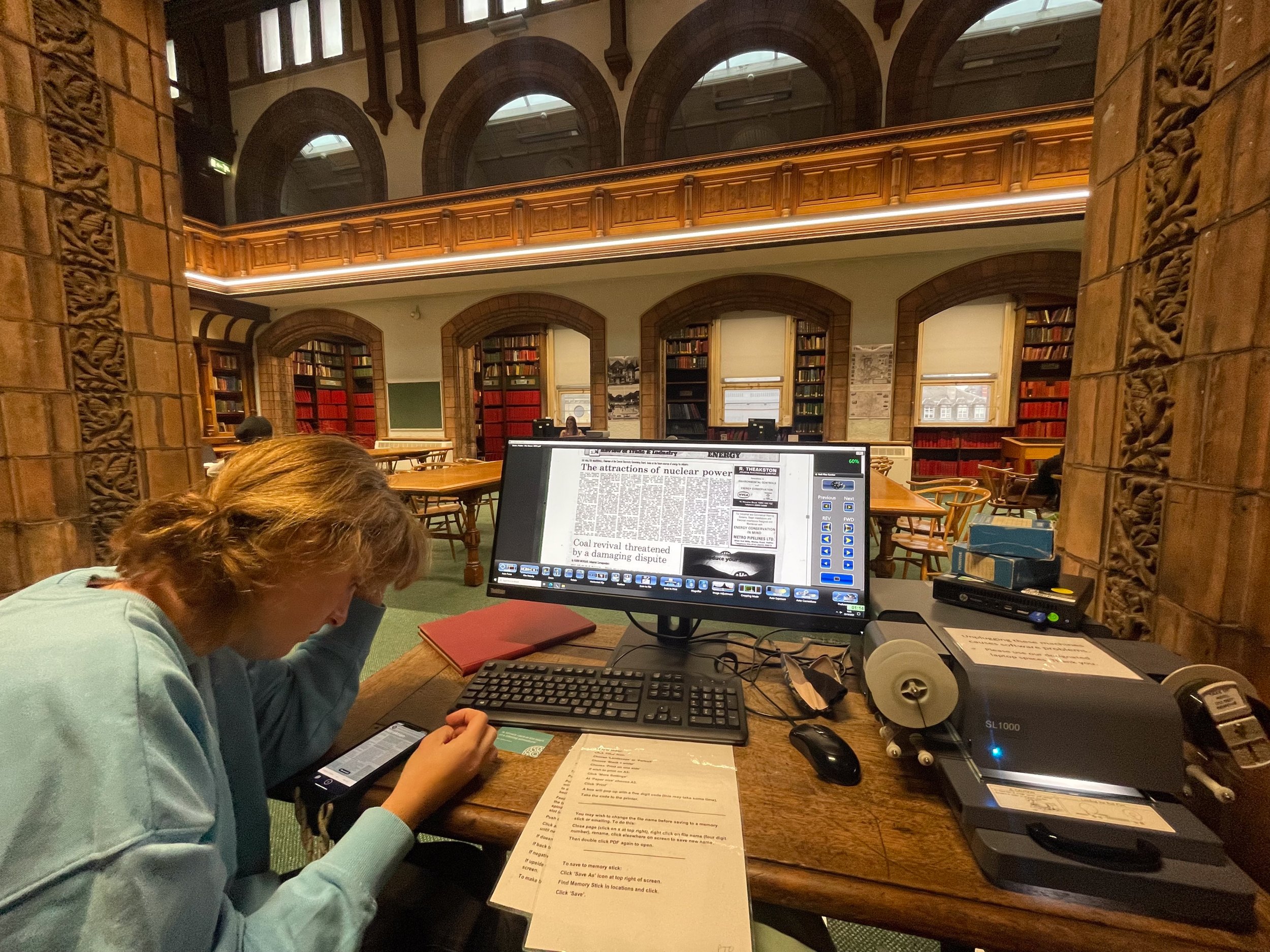
Our process extended beyond image-making, with time spent visiting galleries and exhibitions, exploring historical archives within libraries, researching newspaper collections, and engaging with articles, books and written materials both online and through library resources. These encounters helped shape our conversations and provided new perspectives on themes of history, ecology, human relationships and the natural world.
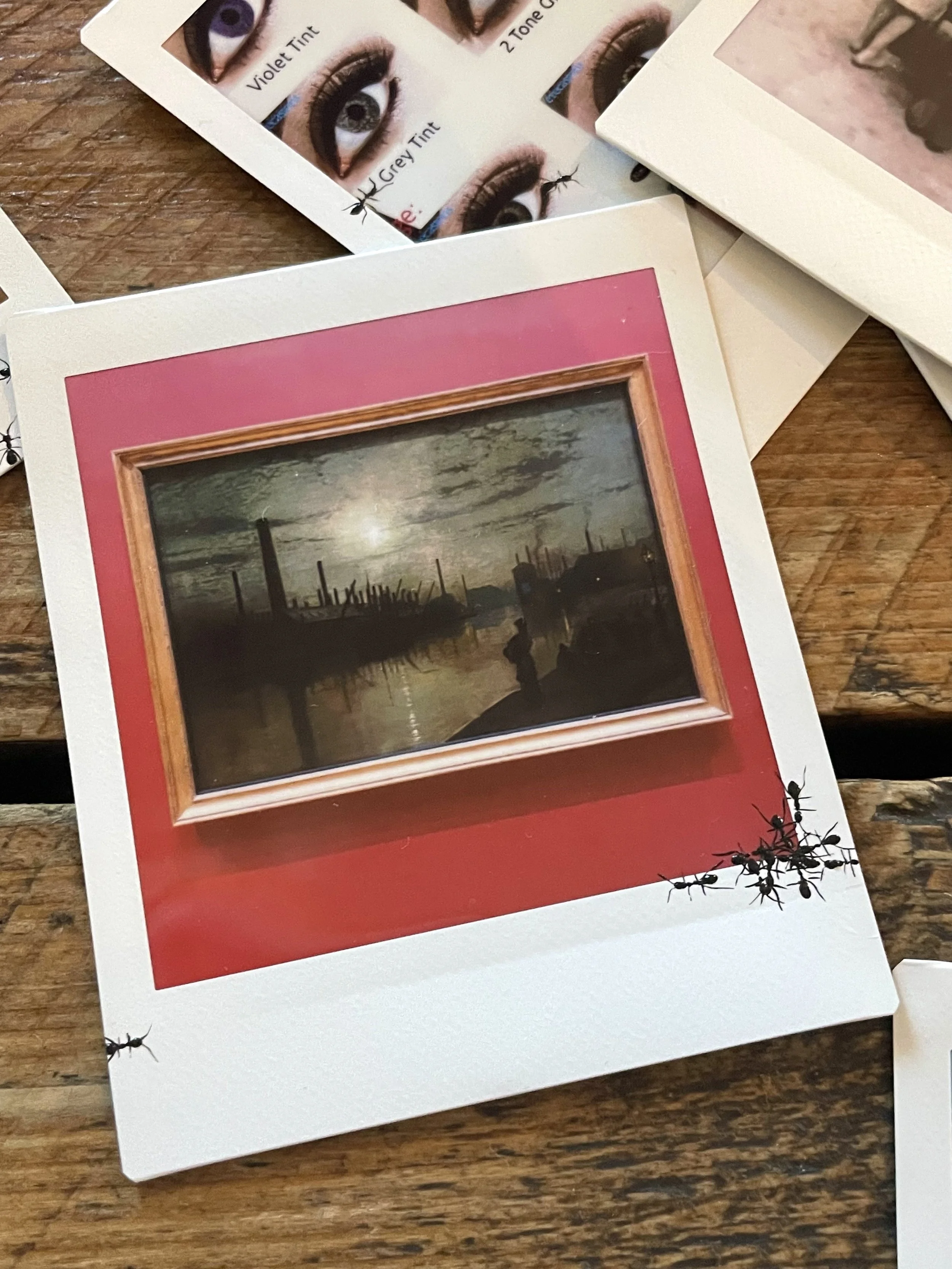
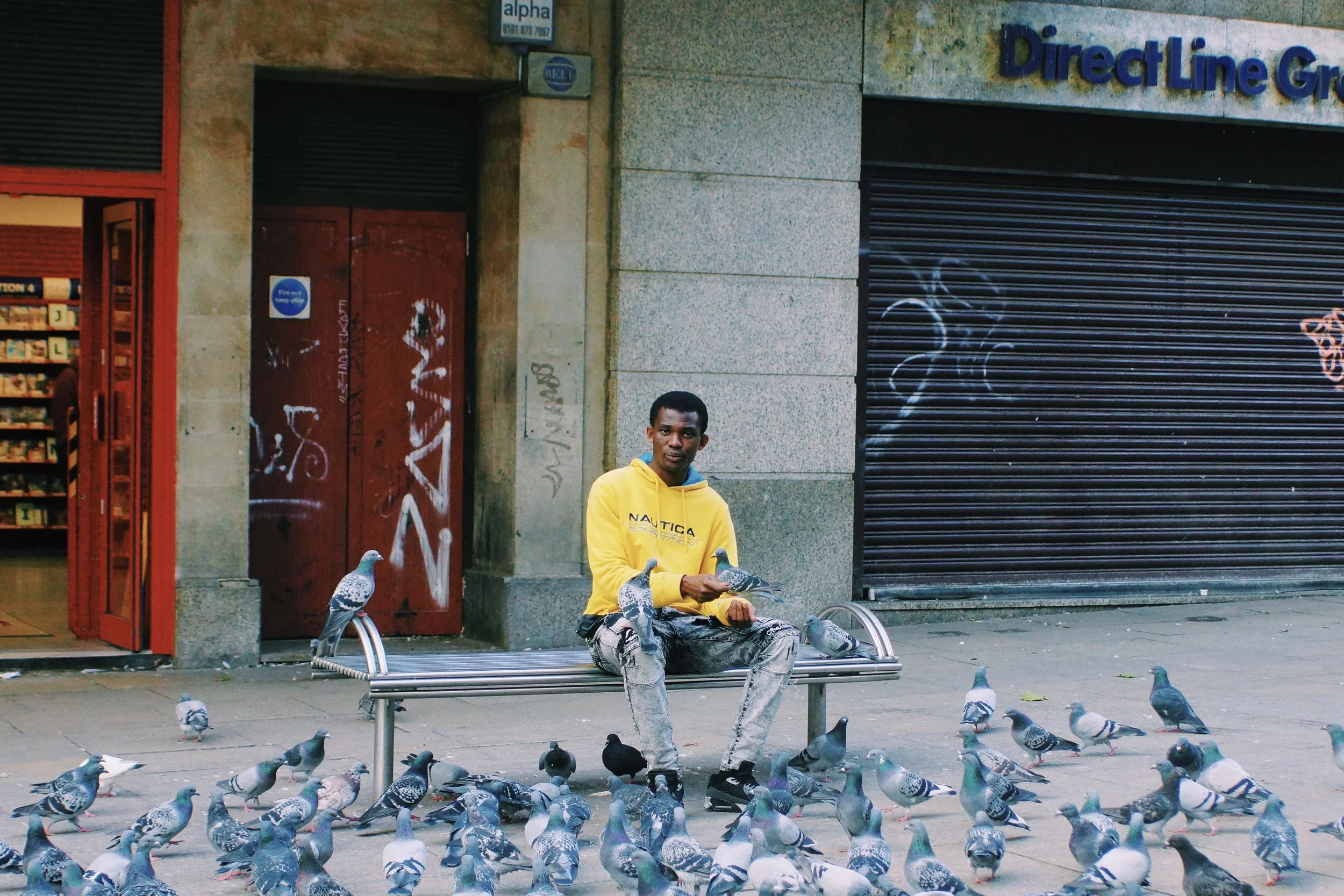
Working with Polaroid photography, Evelyn’s hand-painted ants moved between images, creating new narratives and layers of meaning. Their presence became a symbol of connection across borders, species and time — reminding us that despite our differences, we exist as part of a wider interconnected world.
Our process was intentionally slow and reflective. We began each day in written dialogue, allowing ideas to develop organically through exchange, questioning and conversation. This non-verbal approach created space to understand each other’s thoughts, expand on ideas and follow unexpected creative threads.
Alongside our focus on human and animal relationships, we explored wider themes including representations of women, the legacy of the Industrial Revolution and questions surrounding possible futures: how do we want to live, and how can we live differently?